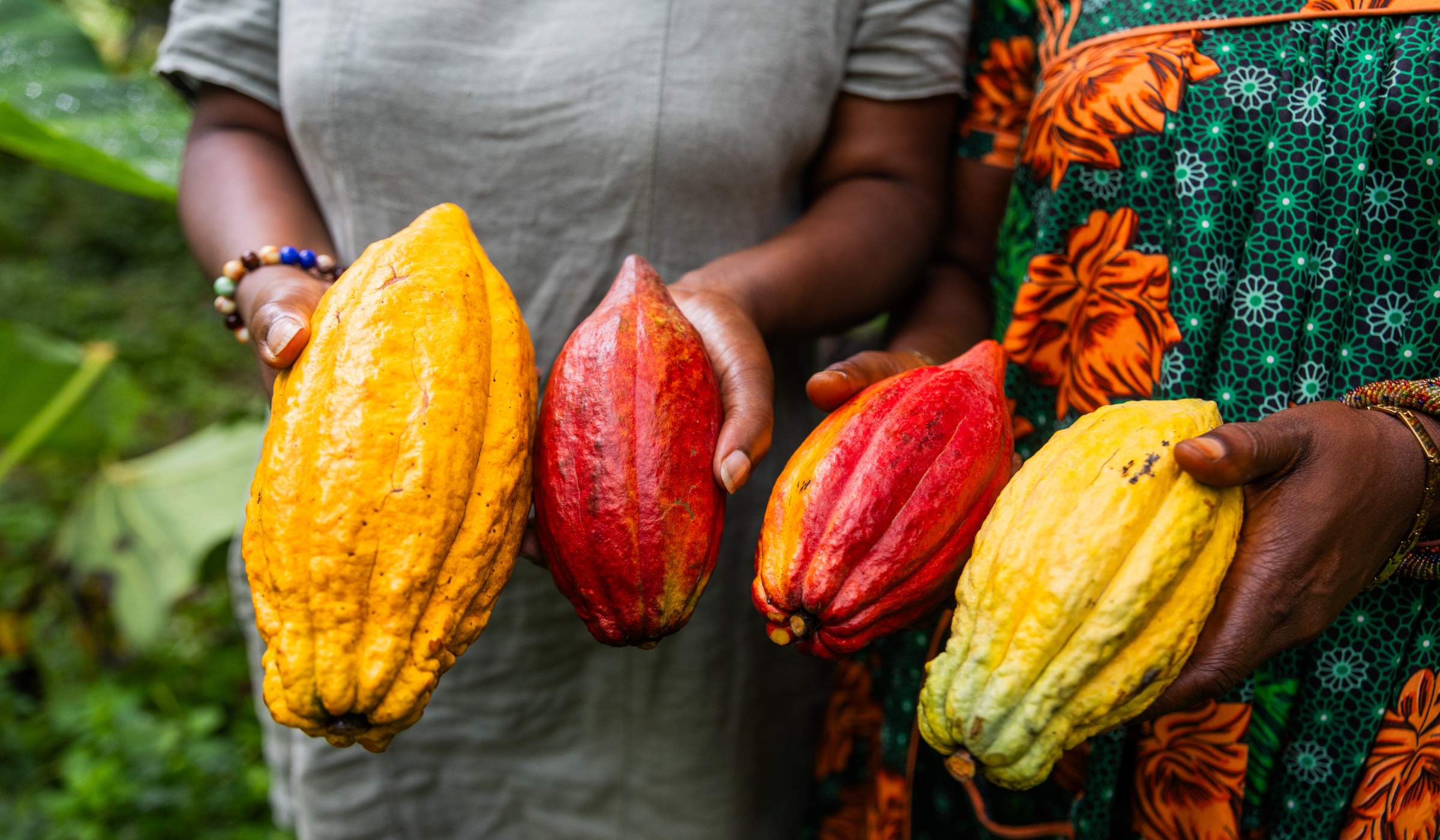
How actions on the farm in Côte d’Ivoire and Ghana build a more resilient cocoa supply chain
Supporting farmers to protect forests and secure the future of cocoa
Across Côte d’Ivoire and Ghana, cocoa farmers are dealing with less predictable rainfall, longer dry periods, declining soil fertility, rising input costs and increasing pressure from pests and disease. Because these challenges are interconnected, support is most effective when it helps farmers simultaneously strengthen production, manage land sustainably, and improve household incomes.
Cocoa and Forests Initiative (CFI) Signatory companies and WCF members regularly engage with farmers to understand the impact their partnerships are having and to identify what can be improved. These farmers’ stories show that while much more sector-wide collaboration, support, and innovation are still needed to solve cocoa’s most difficult challenges, interventions tailored to farmers’ needs and capacities can influence decisions at the farm level in ways that strengthen farming communities and contribute to a more resilient cocoa supply chain.
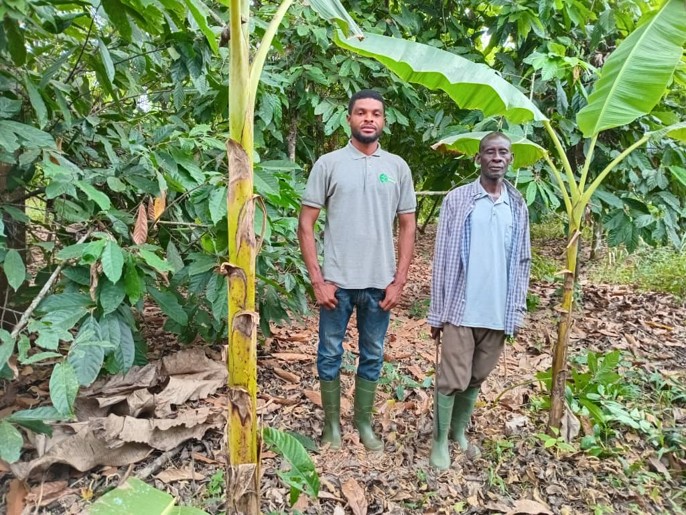
Building climate-resilient and productive cocoa farms through practical training, agroforestry and farmer support
For some farmers, the starting point is making better use of materials and land already available. In Côte d’Ivoire, Blommer Chocolate Company and its partners have trained farmers in composting, farm rehabilitation and income diversification.
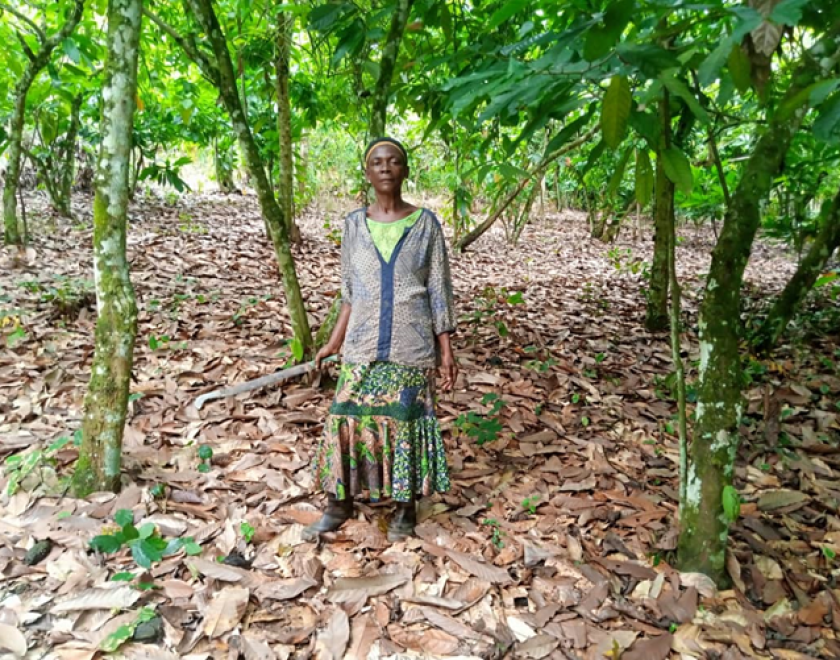
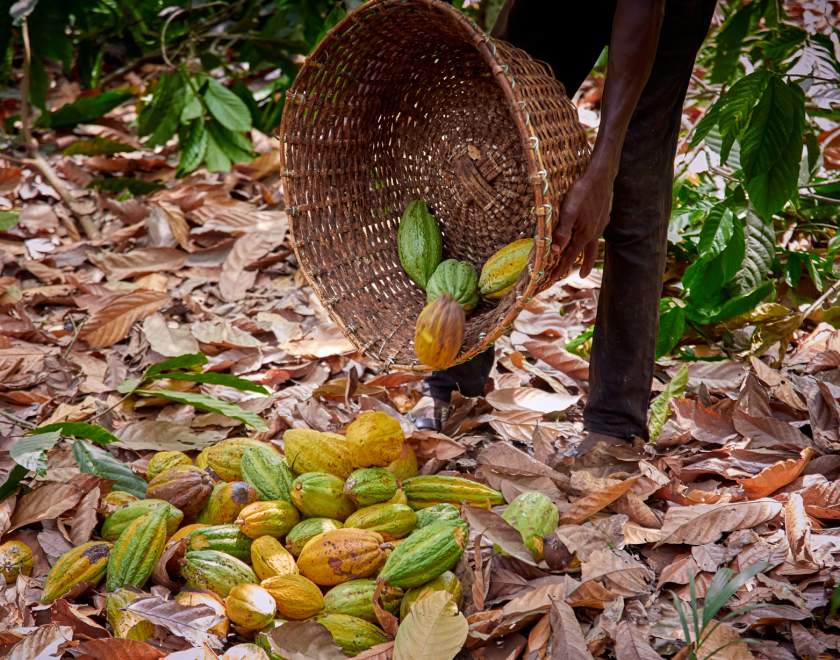
Daligou Pacôme inherited a cocoa farm planted by his father in 1974. As the trees aged and production fell, he replanted the 2.22-hectare farm in 2018 and began making compost from cocoa pods, dry leaves and chicken manure because commercial fertiliser was unaffordable. His production increased from 400 kilograms to more than 1,000 kilograms per hectare over six years.
Rakistaba Arzoum Raphael tested compost on one part of his farm while continuing to use purchased fertiliser elsewhere, and the compost-treated trees kept more of their leaves during the dry season and suffered less pod rot, while the compost itself cost little because it was made from locally available residues.
“As a Field Coordinator, I see my work as a bridge connecting farmers, partners, and the wider cocoa market. When mapping is done well, everyone benefits. Farmers gain clarity, forests are protected, and cocoa can be sourced responsibly.” - Daniel Agaba, Ghana
Support can also help households reduce their dependence on one cocoa harvest. After receiving technical advice, Ouédraogo Romain began cultivating one hectare of lowland rice and raising chickens and pigs alongside cocoa. He harvested five tonnes of rice in one four-month cycle and sold part of the crop and some poultry, giving the household income between cocoa harvests.
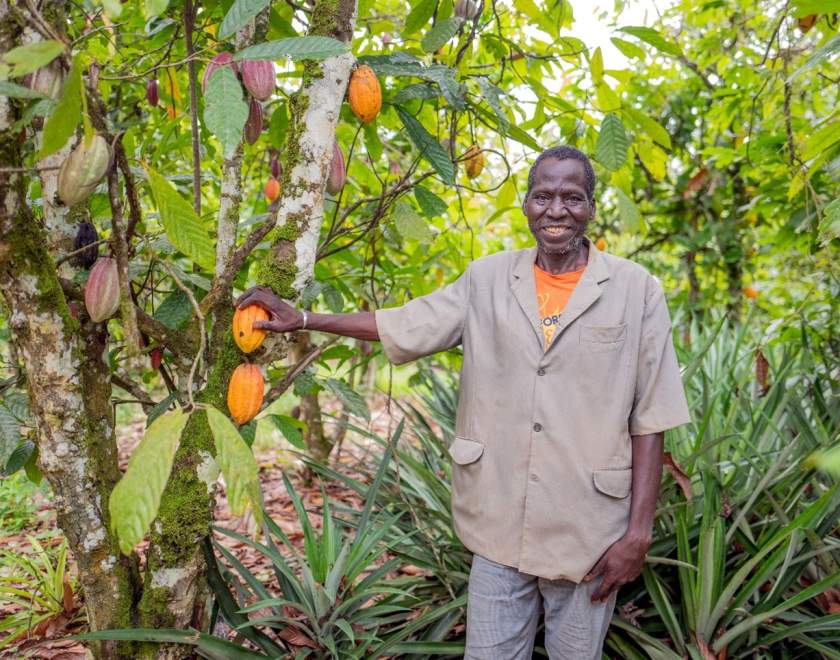
Tambirga Ardjuman used training and technical support provided through Sucden’s programme to change how he manages his 3.7-hectare cocoa farm in Côte d’Ivoire. He planted more forest and fruit trees to provide shade, retain soil moisture and create additional sources of food and income. He also improved pruning, planting density and disease control, while farm mapping now helps him plan his work more accurately. His experience shows how practical support can help farmers adapt their own farms to hotter, less predictable conditions.
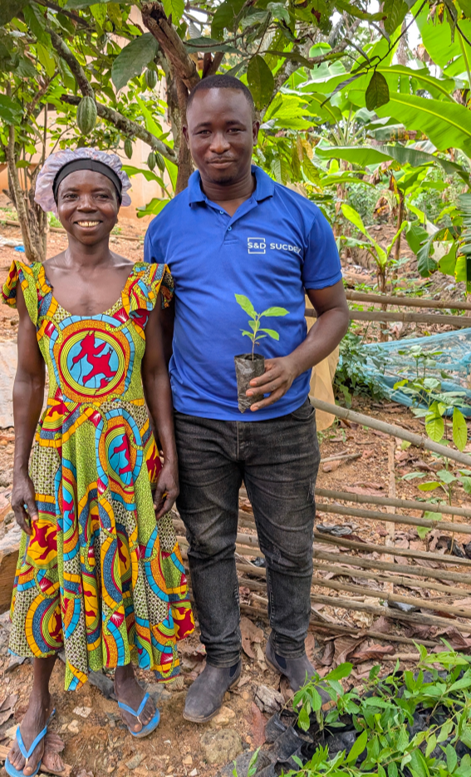
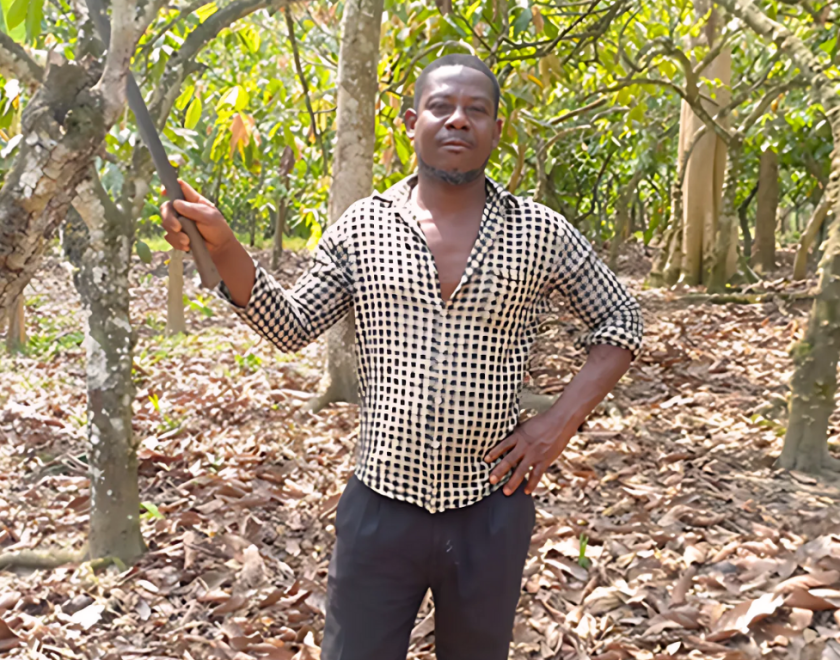
The JB Cocoa stories focus on professional pruning, fertilisation, field schools and demonstration plots. Konan Roger and Bolly Issiaka reported that pruning improved the condition of their cocoa trees and helped them avoid brown rot, a disease that had previously damaged their harvests. Konan reported that his production increased from 350–500 kilograms per hectare to 500–1,000 kilograms per hectare after joining the programme.
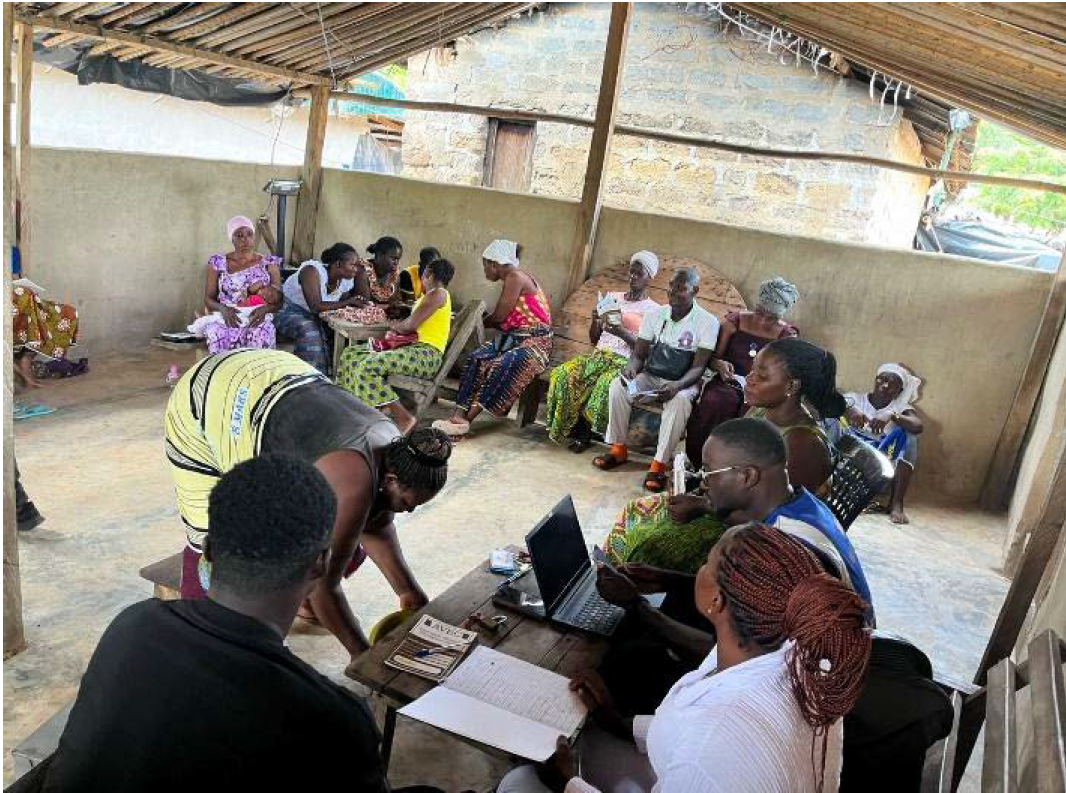
Konan also became president of a village savings and loan association, while the programme involving Sawadogo Harouna combined agricultural support with child labour monitoring, community awareness and school kits. The village account reports that school dropout declined over two years. Together, these stories show that strengthening cocoa farms requires not only improved production practices, but also support systems that contribute to resilient farming communities.
Effective forest protection and restoration require strong management systems and clear farmer benefits
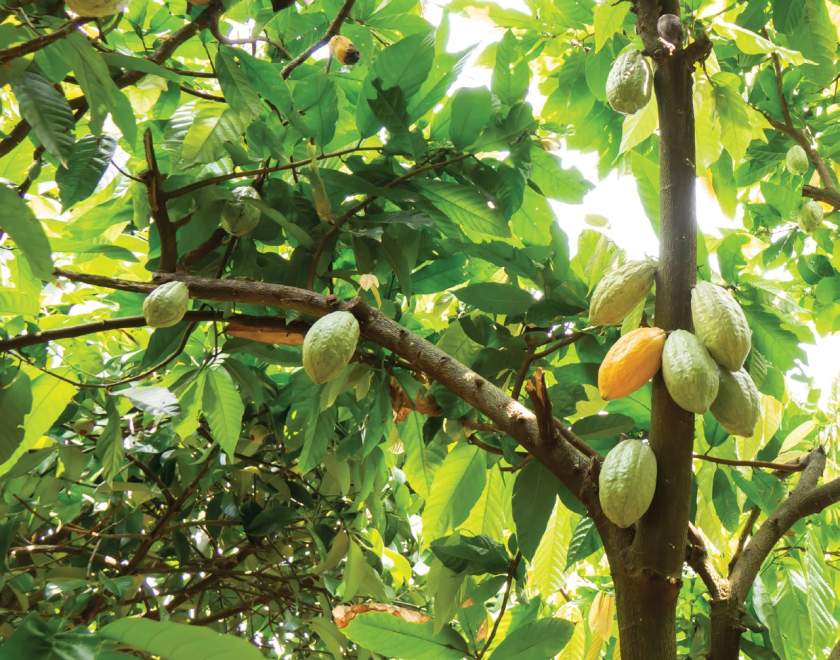
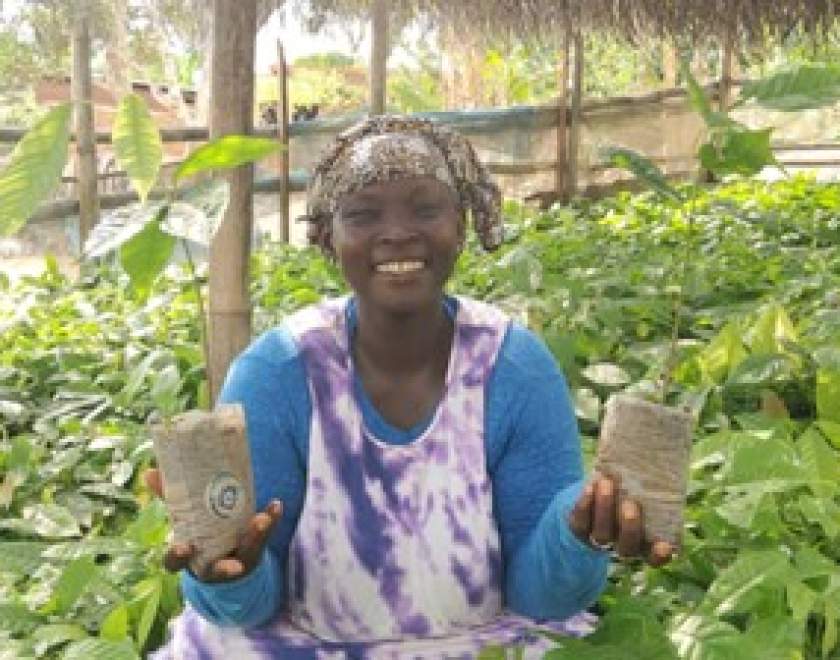
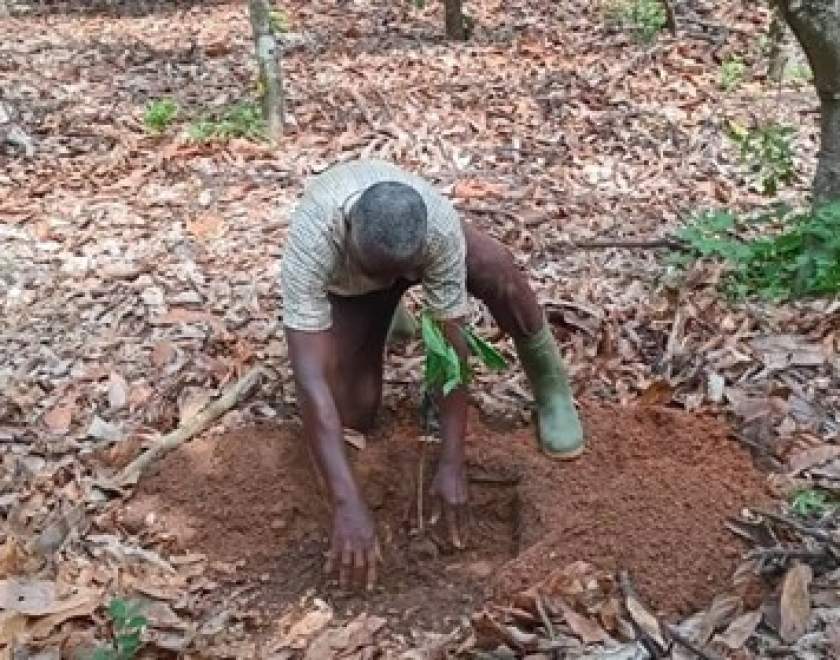
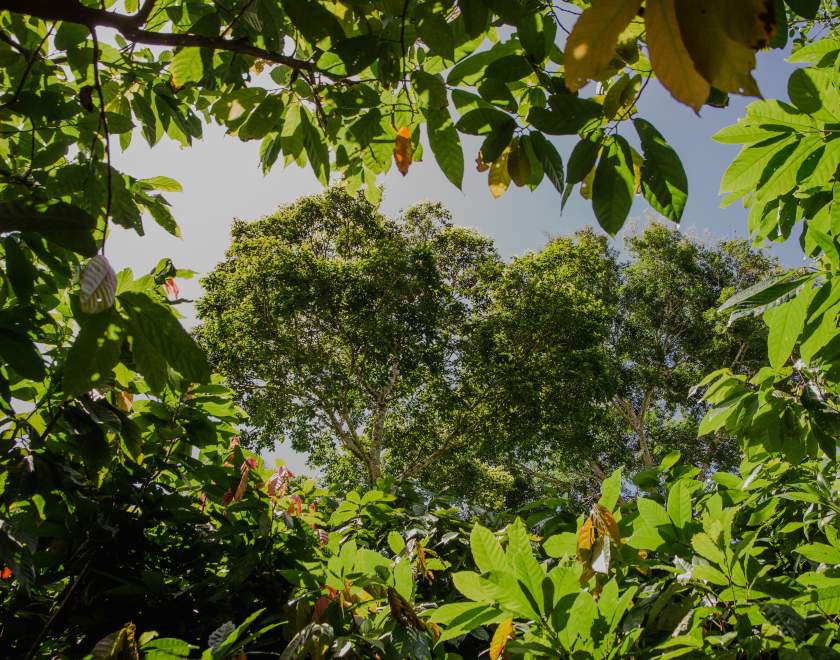
Several member programmes use agroforestry to support climate adaptation and forest protection. In Ghana, ECOM farmers Kobina Miakoh and Jonathan Bismark Asare received training, seedlings and technical guidance on shade management. Their stories describe cooler soils, better moisture retention and healthier cocoa trees when shade is properly managed. Farm mapping also helped them understand their boundaries, plan tree density and avoid expansion into protected areas.
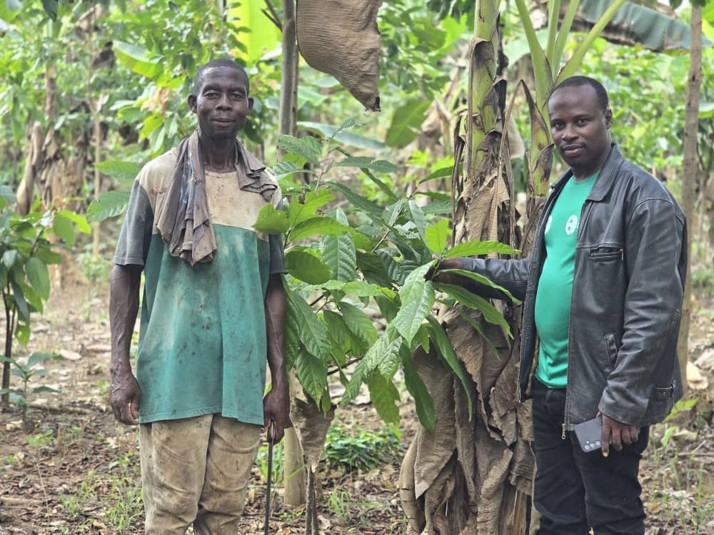
The ZAMACOM story shows both progress and a remaining gap. Tambirga Ardjuman has planted forest and fruit trees, improved pruning and disease management, and had his farm mapped. However, he reported receiving no payment for protecting trees and described the absence of a clear community structure for organising forest restoration. His experience shows that training can change farm practices, but wider restoration also needs incentives, coordination and community participation.
A payment for ecosystem services initiative involving CocoaSource adds a direct financial incentive. The project, implemented by Nitidæ with ECAM and co-financed by Enabel and Ferrero, assessed 995 cocoa plots covering more than 4,600 hectares. The assessment covered tree size, species diversity, shade-tree density and canopy structure, and 388 farmers qualified for payments. For Richard Kouakou, the payment recognised practices he had already begun and gave him another reason to protect and plant trees.
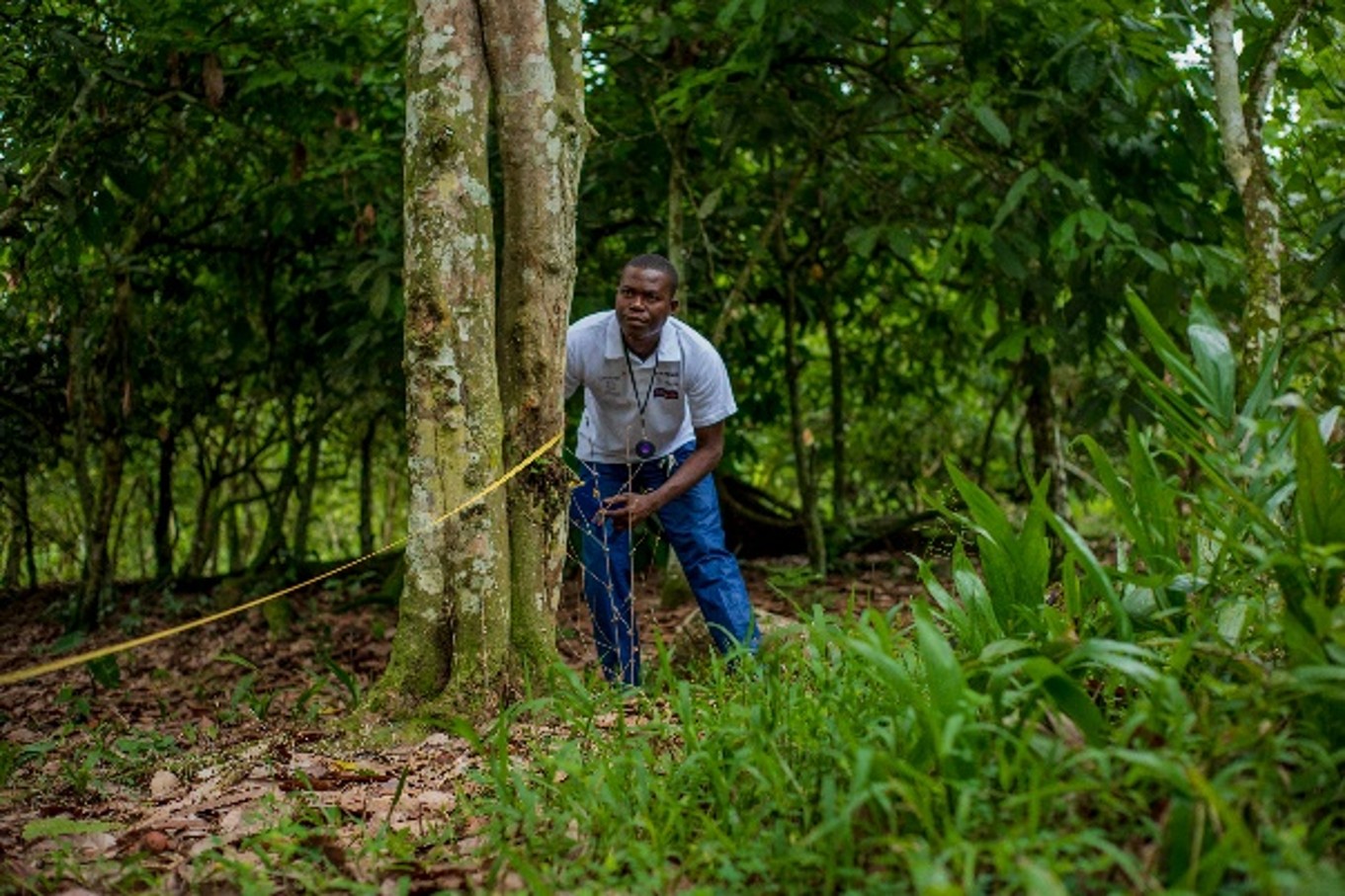
Meiji’s activities in Ghana combine Good Agricultural Practices training, multi-purpose shade-tree seedlings and farm mapping. Farmers in the Dunkwa and Assin Fosu districts used mapping to understand their boundaries, while shade trees helped protect cocoa and retain moisture. Both farmers also earned income from palm or food crops, which reduced the risk of relying on cocoa alone.
What these stories show
Across the different programmes, the strongest results appear when support is practical, sustained over the long-term and linked to the farmer’s own needs, interests, and capacities. Training is more useful when farmers can test a method, receive follow-up advice and access the tools, seedlings or services needed to continue applying what they have learned. Planted trees are more likely to survive when farmers understand the production benefits and have secure rights or financial benefits to protect and maintain the trees.
These farmer accounts also show that cocoa resilience cannot be built through farm productivity alone. Farmers need healthier soils and trees, but they also need income between harvests, community support, and clear governance and monitoring systems for managing land and forests. The actions implemented by CFI signatory companies on the ground help connect these needs, translating broad sustainability commitments into practical support that enables farmers to take tangible actions on their farms, helping to build a more resilient, responsible cocoa supply chain.
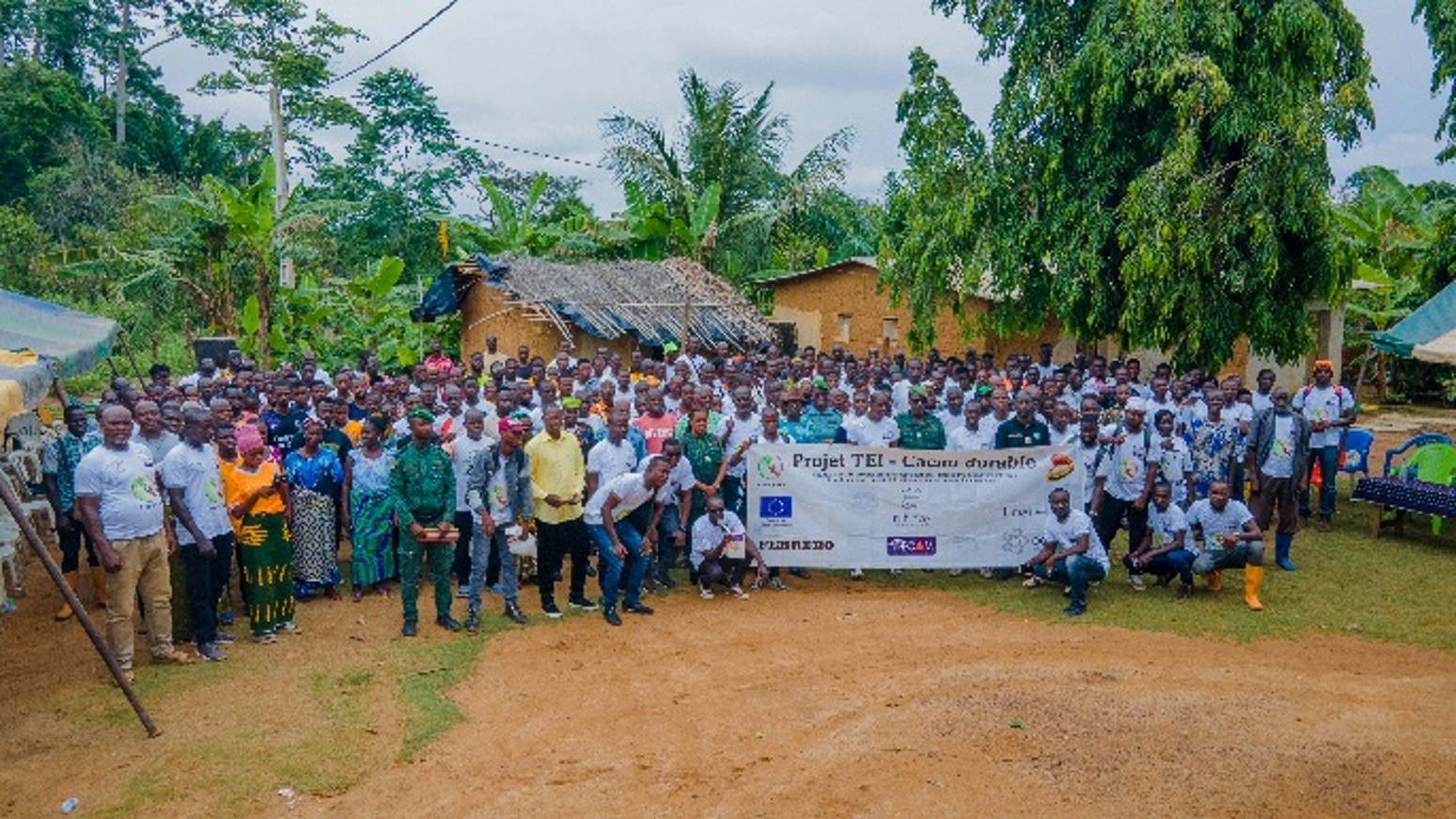
The Cocoa & Forests Initiative (CFI) is the global partnership that unites governments and industry to end cocoa-driven deforestation and restore forest landscapes. Since its launch in 2017, CFI has shown how coordinated public–private action can deliver measurable results. Read more here.