What would make environmental commitments strong enough to change conditions in the landscapes where cocoa is produced?
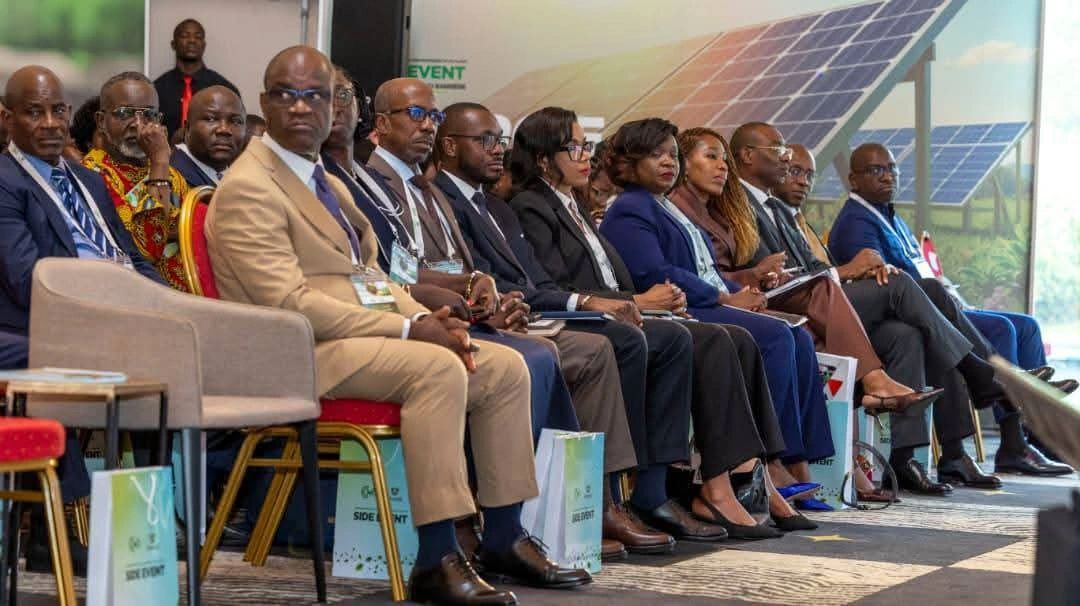
At the National Fortnight for Environment and Climate in Abidjan (03 – 17 June 2026), the discussion on cocoa, forests and climate came at an important time for Côte d’Ivoire and for the wider sector.
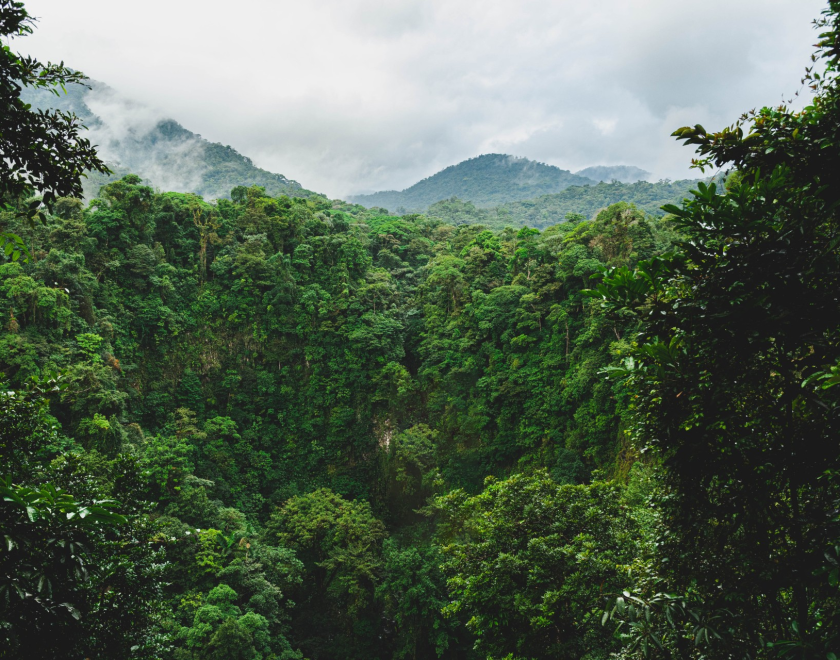
Long singled out as a major driver of deforestation, cocoa can now become a key driver of forest protection and restoration.
In this respect, the cocoa sector has made important commitments on forest protection, restoration, and climate action. Governments have set policy goals. Companies have announced sustainability targets. Partners have developed programmes across cocoa-producing regions. The next test is attracting sustained investment and connecting all the pieces into the areas where forests remain under pressure and farmers need viable livelihoods.

A commitment can set direction, but investment changes what becomes possible on the ground. Forest protection in cocoa landscapes requires more than a pledge. It needs land-use planning, monitoring, enforcement, farmer engagement and forest-friendly economic alternatives for communities living near forests. Restoration work demands planting material, logistical and technical support, maintenance and patience, because trees and landscapes do not recover on annual reporting cycles. But even before all that, climate action depends on credible accounting, reliable data and evidence that interventions are changing outcomes over time.
And the cocoa supply chain is, in fact, a supply circle: A farm surrounded by degraded land will face higher climate risk. A farmer with a weak income will have limited capacity to invest in restoration or adopt new practices. A company sourcing from a region with poor monitoring will struggle to demonstrate progress with confidence. A government managing forest policy without consistent data will face difficulties attracting finance and coordinating action.
This is why, now, more than ever, environmental commitments in cocoa need to be linked to investment. Forest protection and restoration should be treated as part of the economic foundation of the sector. Healthy landscapes support more stable production, better climate resilience and stronger farmer livelihoods. They also reduce long-term supply risks for companies and consuming markets.
Investment, however, does not move into landscapes simply because the need exists. Investors, companies and public institutions need confidence that projects are credible, measurable and well-governed. They need to know what is being protected, what is being restored, who holds responsibility, how results are monitored, and how benefits are shared among themselves, communities and governments.
This can be achieved by the creation of enabling environments. Trusted standards, robust measurement systems, transparent registries, incentive regulations, and strong partnerships provide the foundation for credible action by enabling progress to be measured, accountability to be maintained, duplication to be reduced and national policy to connect with finance, company action and local implementation.
In my work with the World Cocoa Foundation and our partners, I see growing recognition of this challenge. The sector cannot rely on isolated projects if the goal is durable change across cocoa landscapes. It needs stronger systems that allow governments, companies, financial institutions and local actors to work together from shared information and comparable evidence.
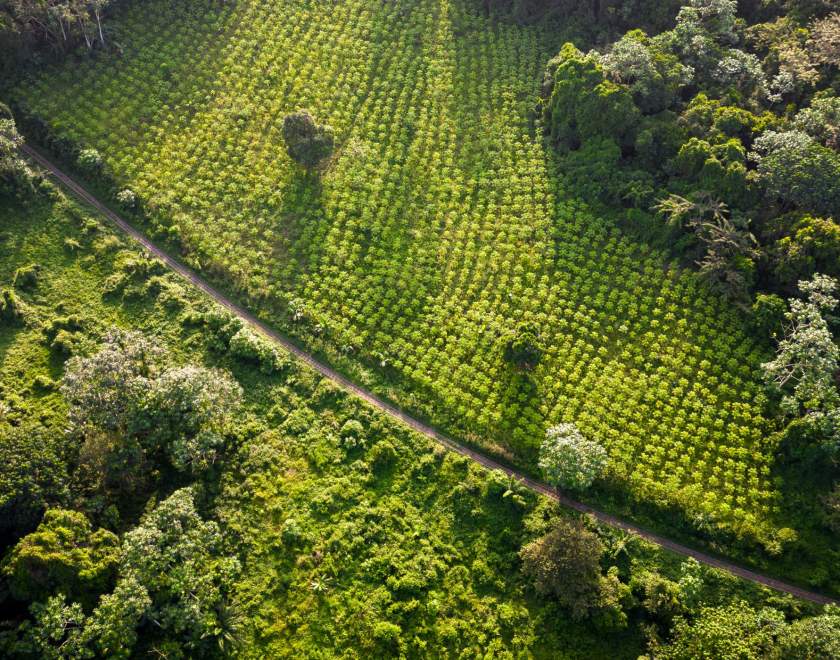
Reliable land-use data can guide where restoration should happen. Monitoring systems, carbon and climate data, and information from farmers and communities help track whether forest protection is delivering results, support access to finance, and ensure that interventions respond to local realities rather than external assumptions.
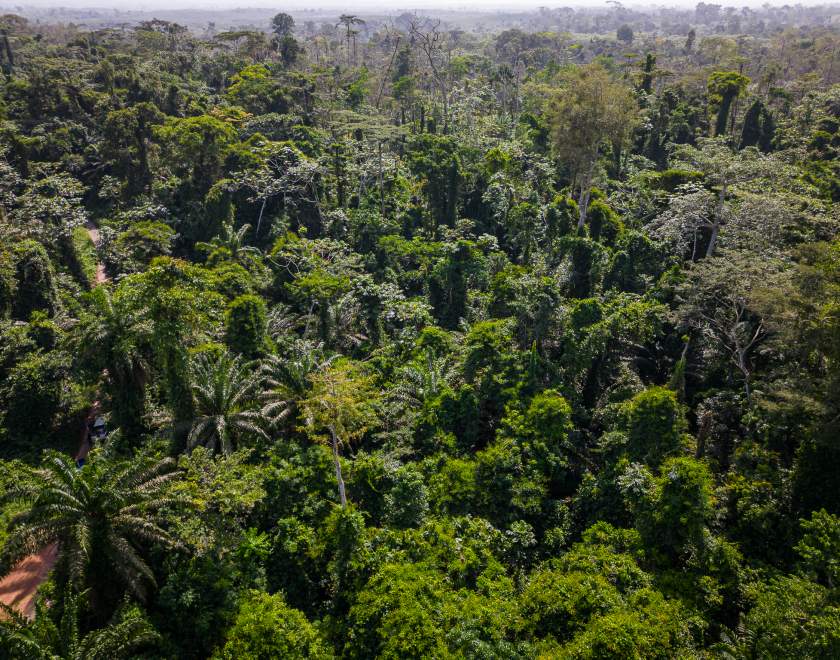
Côte d’Ivoire’s cocoa landscapes here carry both the opportunity and the risk. The country has a major role in global cocoa supply, and the decisions made in its landscapes have an impact far beyond national borders. Protecting forests, restoring degraded areas, and strengthening climate resilience will require sustained effort and a financing model that recognises the value of these landscapes.
Our goal at WCF is to facilitate intensive collaboration between all levels of the supply chain. Governments bring policy authority and national systems. Companies bring supply chain reach and investment technical capacity. Financial institutions bring capital. Local stakeholders bring knowledge of the landscape and responsibility for long-term stewardship.
Lasting impact will come from connecting these roles around the same goal: cocoa landscapes that can support farmers, protect forests, and sustain the sector over time.